Here are the main things to remember when you’re aiming for that cozy vibe in your home. These points will help guide you as you design your own comfortable retreat.
Key Takeaways
- Comfort design focuses on how a space makes you feel, prioritizing warmth and relaxation.
- Sensory elements like soft lighting, pleasing textures, and calming colors are key.
- Arranging furniture to encourage connection and ease of movement makes a big difference.
- Bringing in natural elements and personal items adds character and a sense of belonging.
- A tidy space, even with personal touches, is more relaxing than a cluttered one.
What is Comfort Design?
Comfort design is all about making spaces feel good, not just look good. It’s a way of thinking about interiors that puts how you feel in a room at the top of the list. Think about it: you want your home to be a place where you can truly relax, right? That’s where comfort design comes in. It’s not about following trends or having the fanciest furniture; it’s about creating an atmosphere that’s warm, inviting, and makes you feel safe and at ease.
This approach considers everything from the colors on the walls to the feel of the fabrics and how the light falls. The goal is to create a sanctuary, a personal haven where you can de-stress and recharge. It’s about crafting an environment that supports your well-being and makes everyday living more enjoyable. Ultimately, comfort design transforms a house into a home that truly nurtures you.
Here are some key ideas that drive comfort design:
- Sensory Experience: Engaging your senses in a pleasant way. This includes soft textures you can touch, warm lighting you can see, and even quiet sounds or gentle music.
- Emotional Connection: Making a space feel personal and meaningful. This might involve displaying cherished items or using colors that bring back happy memories.
- Functionality and Flow: Ensuring the space is easy to use and move around in. Furniture placement matters a lot here, making sure it encourages interaction or quiet relaxation.
Comfort design is a thoughtful process that prioritizes human experience. It’s about creating environments that feel genuinely welcoming and supportive, allowing people to feel relaxed and happy in their surroundings. This focus on feeling is what sets it apart from purely aesthetic design choices.
When you’re thinking about making a space more comfortable, consider how different elements work together. For instance, the right kind of lighting can make a huge difference in how a room feels, turning a stark space into something much more inviting. You can find some great ideas for farmhouse master bedroom design that really capture this cozy feeling.
The Psychology Behind Cozy Spaces
Ever wonder why walking into a certain room just makes you feel… good? It’s not magic, it’s psychology at play. Creating relaxing spaces is all about tapping into our innate need for safety, comfort, and connection. Think about it: when we feel cozy, our stress levels tend to drop. It’s like our brains get a little signal that says, "Okay, you can finally chill out here."
Sensory Engagement: Sight, Sound, and Touch
Our senses play a huge role in how we perceive a space. For that warm and inviting decor feel, we need to think about what we see, hear, and touch.
- Sight: Soft, warm colors are a big one. Think muted earth tones, creamy whites, or gentle pastels. Harsh, bright lights can feel jarring, so opting for softer, diffused lighting makes a big difference. Even the shapes of things matter – rounded edges on furniture feel less aggressive than sharp corners.
- Sound: A quiet space is often a cozy space. This doesn’t mean absolute silence, but rather a lack of jarring noises. Maybe it’s the gentle hum of a fan, or the soft crackle of a fireplace (real or imagined!). Soft music can also contribute to a calming atmosphere.
- Touch: This is where texture comes in. Think about sinking into a plush sofa or wrapping yourself in a soft blanket. Materials like velvet, chunky knits, faux fur, and natural wood all contribute to a tactile experience that feels good against our skin. Investing in comfort furniture in Singapore, for example, often means looking at these tactile qualities.
Emotional Resonance and Nostalgia
Cozy spaces often tap into our memories and emotions. This is where that feeling of hygge interior design really shines. It’s about creating a sense of belonging and security.
We often associate certain smells, sights, or even sounds with happy memories from our past. Bringing elements of these into our homes can trigger those positive feelings, making our space feel like a personal sanctuary.
- Personalization: Displaying photos, artwork, or objects that have meaning to you makes a space feel uniquely yours. It tells a story and creates an emotional connection.
- Familiarity: Sometimes, just having familiar objects around can be comforting. This could be anything from a well-loved book to a piece of furniture passed down through generations. A classic leather sofa, for instance, can bring a sense of timeless comfort to a room [c33b].
- Rituals: Cozy spaces often become associated with comforting rituals, like enjoying a warm drink in your favorite mug or reading before bed. These routines reinforce the feeling of comfort and security associated with the space.
Key Elements of Comfort Design
Creating a space that feels truly cozy involves paying attention to a few key ingredients. It’s not just about throwing a blanket on the sofa; it’s a more thoughtful process. Think about how different elements work together to make you feel relaxed and at home.
Color Palettes for Calmness
Colors have a big impact on how a room feels. For a cozy vibe, you’ll want to lean towards warm and neutral tones. Think about colors like soft beige, creamy off-whites, warm grays, or even muted earthy shades like terracotta or a gentle olive green. These colors create a soothing backdrop that feels welcoming. They’re also really versatile, so you can easily pair them with other decor. Using a warm neutral base makes it easier to layer in other cozy elements without the room feeling too busy. You can add pops of deeper, richer colors like navy, forest green, or a deep rust as accent colors. These add personality and depth without making the space feel overwhelming. It’s all about finding that balance between calm and character.
Texture and Tactile Experiences
This is where you really get to play with how things feel. Mixing different textures is super important for adding warmth and interest. Imagine a soft, plush rug underfoot, a chunky knit throw draped over a chair, or velvet cushions on the sofa. These tactile elements invite you to touch and interact with your space. Even things like curtains can add to this – think about heavier fabrics that drape nicely.
Here are some ideas for layering textures:
- Flooring: A soft rug over hardwood or tile makes a huge difference.
- Seating: Mix smooth upholstery with textured pillows and throws.
- Walls: Consider textured wallpaper or even a wood accent wall.
- Accessories: Woven baskets or ceramic pieces add subtle tactile interest.
Lighting: The Mood Setter
Lighting is probably one of the most powerful tools for creating a cozy atmosphere. Harsh, bright overhead lights can make a space feel sterile. Instead, you want to aim for warm, soft lighting. This usually means using bulbs with a lower Kelvin rating, typically between 2700K and 3000K. Think about using multiple light sources at different levels. A floor lamp in a corner, a table lamp on an end table, and maybe some string lights or candles can create a lovely, layered effect. Dimmers are your best friend here; they let you adjust the light to suit your mood, whether you’re reading a book or having a quiet evening in. It’s amazing how much difference the right lighting can make.
Furniture Arrangement for Intimacy
How you arrange your furniture plays a big role in how a room feels. For coziness, you want to create spaces that encourage connection and conversation. This often means pulling furniture away from the walls and arranging it in conversational groupings. Think about placing sofas and chairs so they face each other, perhaps around a coffee table. This setup makes it easier for people to talk and feel connected. Avoid long, straight lines of furniture that can feel formal and distant. Consider adding an oversized armchair or a comfortable sectional that invites people to sink in and relax. It’s about making the space feel inviting and easy to move around in.
Incorporating Natural Elements
Bringing the outdoors in is a fantastic way to boost coziness. Natural materials like wood, stone, and plants add warmth and a sense of calm. A wooden coffee table, a stone accent on a fireplace, or even just a few well-placed houseplants can make a big difference. Plants not only add a touch of life and color but also help purify the air, contributing to a healthier and more comfortable environment. Even small touches, like using natural fibers in your decor or incorporating nature-inspired artwork, can help create that connection to the outdoors and make your space feel more grounded and serene. This approach can be particularly effective in spaces like loft homes where you might want to soften the industrial feel.
The goal is to create a space that feels lived-in, comfortable, and personal. It’s about creating a sanctuary where you can truly relax and recharge, surrounded by things that bring you joy and peace.
Applying Comfort Design Principles to Different Spaces
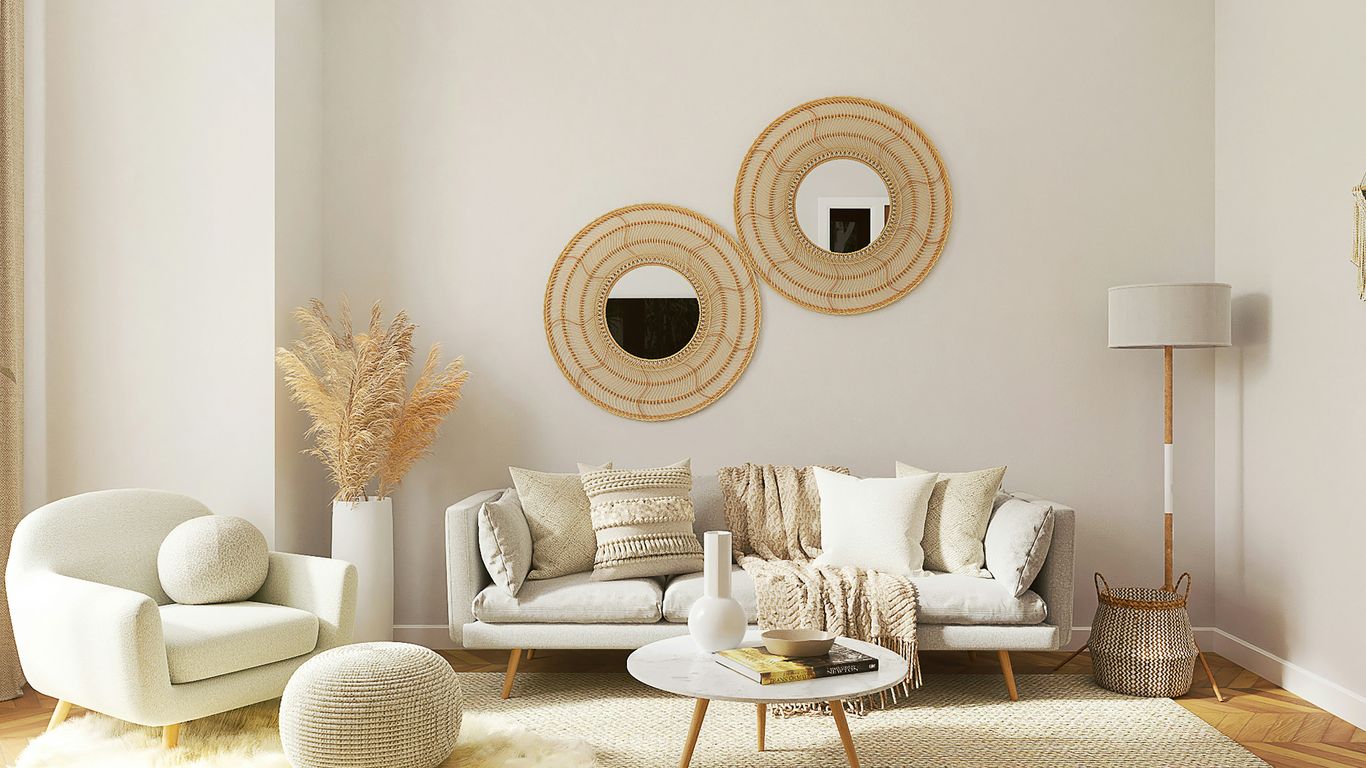
So, how do we take these comfy vibes and spread them around? It’s not just about the living room, right? Think about your bedroom – that’s prime real estate for coziness. We’re talking soft bedding, dimmable lamps, maybe a plush rug by the bed. Even a home office can benefit from interior design for well-being. You don’t want to feel stressed while you’re trying to get work done. Adding a comfortable chair, some plants, and maybe a warm-toned paint color can make a huge difference. It’s all about adapting the core ideas to fit the room’s purpose.
Here’s a quick rundown of how to tweak things:
- Kitchen: Think about warm lighting over your main prep areas and maybe some soft cushions on any seating. A nice wooden cutting board or some ceramic bowls can add to the tactile feel.
- Bathroom: Soft towels, a bath mat that feels good underfoot, and maybe some gentle, diffused lighting can turn a sterile space into a mini-spa.
- Entryway: This is the first impression! A small rug, a place to sit, and maybe a soft throw on a bench can make coming home feel instantly more welcoming.
It really comes down to considering the function of each space and layering in those elements that promote relaxation and a sense of security. Even small adjustments can make a big impact on how you feel in your home. For example, making sure your home office feels inviting can boost your mood and productivity.
The goal is to create a consistent feeling of comfort throughout your home, not just in one or two spots. It’s about making every area a place where you can truly relax and recharge.
And don’t forget about outdoor spaces if you have them! A comfy patio or balcony, with some soft seating and maybe some string lights, can extend that cozy feeling outside. It’s amazing how a few well-placed items can transform even a small balcony into a cozy atmosphere.
Creating Your Own Cozy Haven
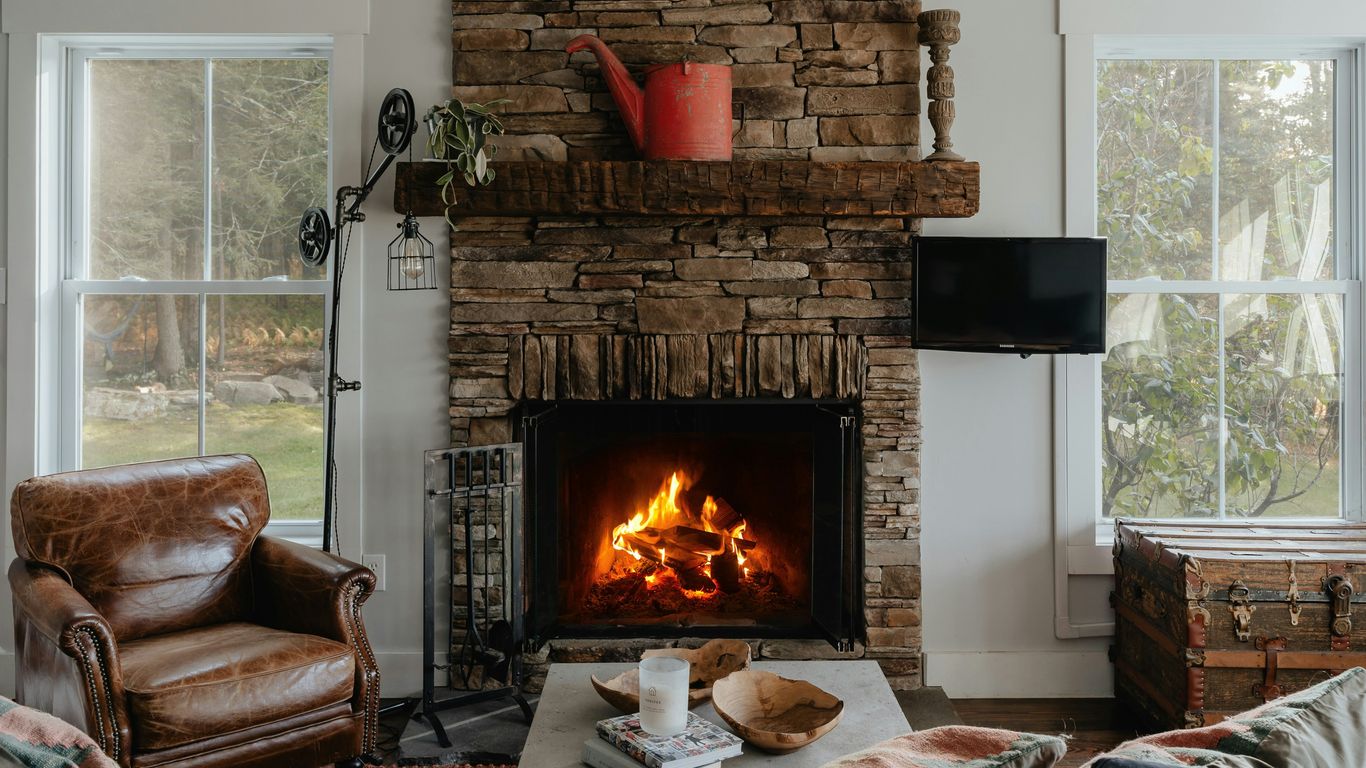
So, you want to make your place feel like a warm hug? It’s totally doable. Think about what makes you feel relaxed and happy. It’s all about layering those comforting elements. Start small, maybe with a super soft throw blanket or some new pillows. Don’t forget lighting – swapping out harsh overheads for lamps with warm bulbs makes a huge difference.
Here are a few ideas to get you started:
- Texture Play: Mix different textures. Think a chunky knit blanket, a velvet cushion, a smooth wooden side table, and maybe a fluffy rug. These tactile experiences invite you to touch and linger.
- Personal Touches: Display things you love. Photos of friends and family, books you’ve read, or even little trinkets from trips. These items tell your story and make the space uniquely yours.
- Nature Indoors: Bring in some plants. Even a small potted plant can add life and a sense of calm. If plants aren’t your thing, consider natural materials like wood or stone in your decor.
When you’re picking out furniture, don’t shy away from pieces that look inviting. Oversized chairs or sofas that you can really sink into are perfect for cozy home interiors. You might even find some great, unique pieces by looking at second-hand furniture options.
Remember, a cozy space doesn’t have to be cluttered. It’s about creating a feeling of warmth and security. Smart storage can help keep things tidy while still feeling inviting.
Arranging your furniture can also help. Try to create little zones for conversation or relaxation. In a longer room, arranging furniture across the width can make it feel more balanced and less like a hallway. It’s about making the space work for you and how you want to feel in it.
Conclusion
Creating a cozy space is all about making a place that feels good to you. It’s not just about how things look, but how they make you feel. By playing with colors, textures, lighting, and arranging furniture in a way that feels natural, you can turn any room into your personal sanctuary. Don’t forget to add those personal touches that make it uniquely yours. It’s easier than you think to build a haven where you can relax and feel completely at ease. So go ahead, experiment, and make your space wonderfully comfy.
Frequently Asked Questions
What exactly is comfort design?
Comfort design is all about making spaces feel good. It means thinking about how things look and, more importantly, how they make you feel. The goal is to create places that are warm, inviting, and help you relax.
How can I make my living room feel cozier quickly?
Easy fixes include adding soft things like fuzzy rugs, comfy blankets, and extra pillows. Warm lighting, like from lamps instead of harsh overhead lights, also helps a lot. Even a few plants can make a space feel more welcoming.
Is it possible for a minimalist room to be cozy?
Absolutely! Minimalism can be super cozy. Just pick simple, comfortable furniture and use soft materials. Think warm, neutral colors and clean lines. It’s about simplicity that feels good, not cold.
What colors are best for a cozy room?
Warm, neutral colors like beige, cream, soft browns, and warm grays are great starting points. You can also add deeper colors like forest green or deep blue as accents to give the room personality without making it feel too busy.
How important is lighting for coziness?
Lighting is super important! You want warm light, not bright, cool light. Think lamps with soft bulbs, maybe dimmer switches. Layering lights – like having a main light, a reading lamp, and some accent lights – makes a big difference too.
What kind of textures make a room feel cozy?
Lots of different textures! Think soft blankets, plush rugs, velvet pillows, or even natural wood. Mixing smooth and rough textures can make a space feel more interesting and inviting to touch.
Should furniture be arranged in a certain way for coziness?
Yes, arranging furniture to face each other can help. It makes it easier for people to talk and connect. Avoid pushing all furniture against the walls; pull it in a bit to create more intimate conversation areas.
How do natural elements help create a cozy vibe?
Bringing nature inside, like with houseplants or wooden furniture, connects your space to the outdoors. This can make you feel more relaxed and peaceful. It adds a natural, calming touch that feels good.
One Response