Key Takeaways
Creating a comfortable home environment significantly improves your daily relaxation and overall well-being. By focusing on quality materials, ergonomic design, and intentional accessorizing, you can turn any house into a personalized retreat.
- Quality materials directly influence the longevity and tactile experience of your furniture.
- Proper support systems prevent physical fatigue during extended periods of sitting or lounging.
- Ergonomic design is a critical factor for maintaining posture in workspace furniture.
- Targeted decor choices help elevate the perceived comfort of specific rooms.
- Selecting furniture that aligns with your personal style ensures long-term satisfaction.
Why Comfy Furniture Matters for Your Well-being
Investing in furniture that prioritizes comfort is not just about aesthetics; it is a fundamental pillar of maintaining a balanced lifestyle. When your body finds a place to truly rest, your nervous system responds by lowering stress levels and encouraging mental restoration. The softest seating options serve as a necessary anchor for your home life, providing a physical space to disconnect from the frantic pace of the outside world. This isn’t just about soft cushions but creating an environment where your physical body feels consistently supported. When you come home, having a space that helps you feel grounded can make all the difference in your evening routine.
Material Matters: Softness and Durability

Choosing the right fabric is the difference between a piece that attracts you and a piece that actually creates a relaxing experience. Softness should never sacrifice the integrity of the item, which means prioritizing textiles that can handle the reality of daily life while feeling gentle against the skin. Natural fibers often provide the most breathability, while performance fabrics offer a higher level of durability for communal living areas. It is essential to consider the texture of your upholstery as much as the overall color palette of the room. A truly high-quality Signature Solitaire Collection approach, even for home goods, focuses on finding materials that feel premium yet hold up to constant use.
Support Systems: The Foundation of Comfort
Underneath the plush exterior lies the skeleton of comfort, which dictates how your body feels after twenty minutes of sitting. High-density foam or spring systems are what keep a sofa from bottoming out, ensuring you stay in a healthy position during a movie marathon. Support is not exclusively about firmness, but rather the balance between yielding enough to feel cozy and remaining resilient enough to protect your joints. Finding a balance here is the secret to pieces that continue to feel great years after purchase. If a chair lacks a proper foundation, no matter how soft the cushions are, your body will eventually feel the strain.
Design and Ergonomics: Form Meets Function
Everything in your home should serve a purpose that aligns with the way you move throughout the day. Good ergonomic design means that the armrests, back height, and seat depth all work together to cradle your body and accommodate your natural range of motion. For example, when choosing office furniture, you should ensure it supports your spine during long hours of work. Aston Furniture focuses on creating pieces where the structure supports your body correctly, keeping comfort at the forefront of the design process. When the form of a chair or sofa naturally aligns with human anatomy, you stop thinking about your posture and start focusing on resting.
Top Comfy Furniture Finds for Every Room
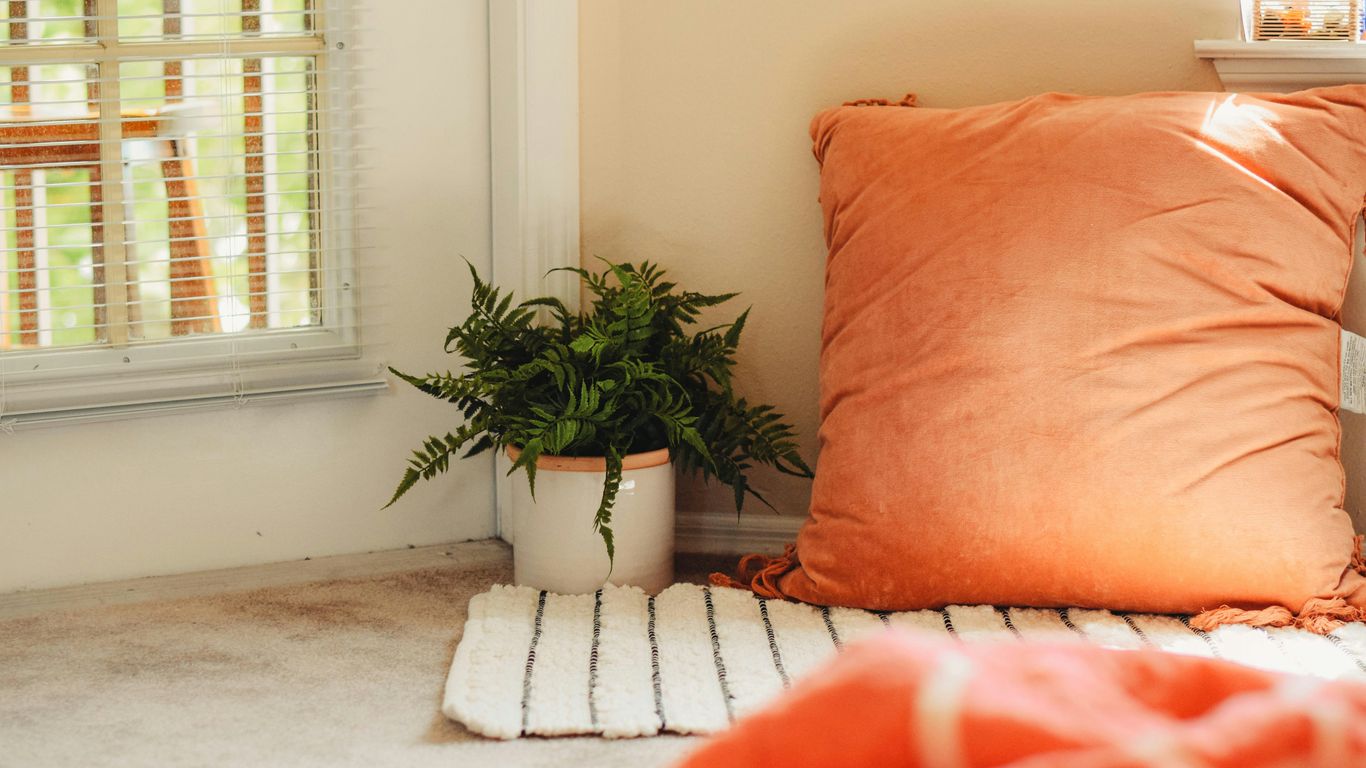
To build a relaxing living room pieces, prioritize items that encourage lingering, such as deep-seated sofas or oversized lounge chairs. You have to consider the scale of each piece to ensure it complements the footprint of the room without feeling cluttered. Once you have the largest pieces settled, the rest of the room essentially aligns around those focal points to create a cohesive atmosphere.
Living Room: The Ultimate Cozy Hub
This is where you likely spend the most of your downtime, so investing in small apartment seating or a grand sectional is key. Aston Furniture features timeless designs that can accommodate different layouts, allowing your space to feel both intentional and open. A central sofa acts as the anchor for the entire home, so choosing a material that fits your household lifestyle is the most critical decision. If your living room functions as a hub for family and guests, prioritize resilience alongside softness.
Bedroom: Your Personal Sanctuary
Your bedroom should feel like a retreat from the rest of the domestic chaos, which starts with the tactile experience of your primary furniture. Focus on items that encourage a slower pace of life, like a plush headboard or a seating area for quiet mornings. The goal is to eliminate visual clutter and replace it with sensory-focused decor that triggers a sense of calm the moment you walk through the door. Use soft, layered lighting to emphasize these textures and make the space feel genuinely protected.
Home Office: Comfort for Productivity
Staying productive while working from home relies heavily on the environment you curate within your productive home workspace. If your seat is uncomfortable, your focus will naturally drift toward the physical tension your body is dealing with. Invest in a chair that allows you to adjust your seating position throughout the day, as this is the best way to prevent long-term aches. Productivity and discomfort are fundamentally incompatible, so treating your workstation as a place of ergonomics is essential.
Reading Nooks and Relaxation Zones
Sometimes, a dedicated chair is all you need to change your outlook on the day. A well-placed armchair by a window, paired with a small side table for your tea, creates an instant cozy haven design that invites quiet reflection. These small zones are where you can experiment with slightly different decor styles without committing to an entire room redesign. Ensure the lighting here is warm and targeted so that you can enjoy your time without straining your eyes.
Accessorizing for Maximum Coziness
The layer of plush home decor is what actually makes a room feel finished and ready for lounging. Throw pillows, weighted blankets, and high-quality rugs provide that final texture shift needed to bring warmth into a space. You want to aim for a collection of items that feel like they have been gathered over time, rather than purchased all at once. This creates an emotional resonance with your space that helps you feel more connected to your surroundings. Don’t forget that Aston Furniture items can serve as perfect backdrops for these types of layered, cozy accessories.
Finding the Perfect Comfy Furniture for Your Style
Your style is the filter through which all these choices should pass to ensure you stay happy with your home design. While it is tempting to follow the latest trends, focusing on pieces that provide genuine utility is the best investment you can make. Take the time to sit in your potential choices if possible, as the way a cushion feels in person is often different from its online profile. The most successful homes are those that prioritize the occupant over the showcase, making sure that your furniture reflects your personal version of comfort. As you navigate the Singaporean apartment furniture market or explore Irving home decor, keep your own personal habits at the top of your list.
Conclusion
Transforming your home into a space that truly supports your relaxation is a rewarding process that begins with understanding how you move and live. By selecting pieces that prioritize both structural integrity and tactile softness, while adding intentional layers, you can build a sanctuary tailored exactly to your needs. Always remember that the best living spaces are those that evolve alongside your lifestyle, making the journey of finding the right comfort just as important as the final look of your home.
Frequently Asked Questions
How can I make my old sofa comfortable again?
Adding a high-quality mattress topper or a structured foam insert underneath the existing cushions can breathe new life into an aging sofa. You might also consider replacing the pillow covers with softer textiles or adding a weighted throw to improve the overall tactile experience.
What materials are best for long-lasting comfort?
Natural fibers like cotton or linen are excellent for their breathability, while high-density foams offer the best support system for frames. Performance fabrics that balance softness with high durability scores are also a great choice for households that see heavy daily traffic.
How do I choose the right chair for my back health?
An ideal chair should offer adjustable lumbar support, seat depth, and height to accommodate your specific body proportions. It is essential that you can keep your feet flat on the floor while your lower back remains supported against the backrest to maintain a neutral spine position.
Can a small room hold large furniture?
It is possible to use larger furniture in a small room if the piece is scaled correctly for the layout, such as choosing a low-profile sofa that doesn’t block sightlines. Using multifunctional pieces, like an ottoman with storage, helps keep the area feeling open while maximizing the footprint you have available.
What lighting is best for a cozy reading nook?
Warm-toned lamps with an adjustable neck are best for reading because they allow you to direct light exactly where you need it while keeping the surrounding atmosphere soft. Avoid harsh overhead lighting that can wash out the textures in your room and create an overly clinical feel.
How often should I replace pillows and cushions?
While the frame of a sofa can last for many years, the inner padding often begins to lose its resilience after five to seven years of daily use. If you notice sagging or consistent loss of shape, it may be time to replace the internal inserts rather than buying new furniture entirely.
Does furniture color impact how cozy a room feels?
Color choices have a massive impact on the perceived temperature and mood of a room, with warm, muted tones often contributing to a more inviting atmosphere. You can balance darker, richer colors with lighter textures to create a space that feels both sophisticated and deeply comfortable.