Choosing the right office chair can seem tricky, but focusing on a few key areas will help you find a seat that supports your body and boosts your work. Here are the main points to remember:
Key Takeaways
- Look for adjustable lumbar support to keep your lower back happy.
- Ensure the chair allows for easy adjustments in height, depth, and armrests for a custom fit.
- Prioritize breathable materials and supportive padding for long-term comfort.
- Consider the chair’s size and mobility to fit your space and needs.
- An ergonomic office chair is an investment in your health and productivity, not just furniture.
Why Your Office Chair Matters More Than You Think
You might think your office chair is just a place to park yourself for eight hours a day, but it’s actually a pretty big deal. Seriously, the chair you sit in can totally change how you feel, how much you get done, and even your long-term health. Spending hours hunched over a laptop on a flimsy dining chair? Yeah, that’s a fast track to a sore back and a stiff neck. It’s not just about looking professional on video calls; it’s about giving your body the support it needs to get through the day without feeling like a pretzel.
Think about it: your chair is the foundation of your workspace. If that foundation is shaky, everything else suffers. Poor posture can lead to:
- Chronic back pain
- Neck and shoulder stiffness
- Headaches
- Reduced circulation
- Fatigue and decreased focus
It’s not just furniture; it’s an investment in your physical well-being and your ability to concentrate. When you’re comfortable and properly supported, you can actually focus on your tasks instead of fidgeting and trying to find a less painful position. This makes a huge difference, especially if you’re working from home and your setup isn’t exactly ideal. Finding the right chair can be like finding the perfect sofa bed – it needs to be comfortable, supportive, and fit your space. Choosing a sofa bed involves similar considerations for comfort and durability.
The right office chair isn’t a luxury; it’s a necessity for anyone spending significant time seated. It directly impacts your comfort, energy levels, and even your mood throughout the workday. Don’t underestimate its power to transform your daily grind.
So, before you dismiss upgrading your chair as an unnecessary expense, consider the daily toll a bad one takes. A good chair supports your spine, encourages better posture, and can even boost your productivity. It’s about making your workday more bearable, and frankly, more effective. You spend a huge chunk of your life in that seat, so making it a good one is just smart.
The Anatomy of a Great Office Chair
So, you’re spending a good chunk of your day parked in your office chair. It’s not just a place to sit; it’s a tool that can either help or hurt your body. Let’s break down what makes a chair truly great, focusing on the parts that matter for your comfort and health. This is about finding genuinely supportive home office seat options.
Lumbar Support: The Spine’s Best Ally
Your lower back has a natural curve, and a good chair helps maintain that. Lumbar support isn’t just a fancy term; it’s about preventing that dreaded slouch that leads to aches. Look for chairs with:
- Adjustable Lumbar Support: This lets you move the support up or down to hit that sweet spot in your lower back.
- Built-in Lumbar Curve: Some chairs have a molded shape that naturally fits the spine’s curve.
- Add-on Cushions: If your current chair lacks support, a separate lumbar cushion can be a lifesaver.
Without proper lumbar support, you’re basically asking for back pain. It’s that important for long-term comfort and good posture.
Adjustability is Key: Finding Your Perfect Fit
We’re all built differently, so a one-size-fits-all chair just won’t cut it. Being able to tweak your chair is what makes it truly ergonomic seating for work.
- Seat Height: Your feet should be flat on the floor, with your knees at about a 90-degree angle. This is non-negotiable for good circulation and posture.
- Armrest Height and Position: Armrests should support your forearms without making your shoulders hunch up. Many modern chairs offer 3D or even 4D adjustability (up/down, forward/back, in/out, and pivot).
- Backrest Tilt and Tension: Being able to lean back slightly, and control how easily the chair tilts, can relieve pressure and allow for micro-movements throughout the day.
Seat Depth and Width: Comfort for All Shapes and Sizes
This is about making sure the seat itself is comfortable and doesn’t cut off circulation or leave you feeling unsupported.
- Seat Depth: You should be able to fit about two to three fingers between the edge of the seat and the back of your knees. Too deep, and it can press into your legs; too shallow, and you won’t have enough thigh support.
- Seat Width: The seat should be wide enough to comfortably accommodate you without feeling squeezed, but not so wide that you’re constantly shifting to stay centered.
The right dimensions prevent pressure points and allow for even weight distribution, which is key for avoiding discomfort during extended periods of sitting. It’s about creating a comfortable desk furniture experience tailored to you.
Armrests: Support for Your Shoulders and Neck
Often overlooked, armrests play a significant role in reducing strain on your upper body. When properly adjusted, they take the weight off your shoulders and neck. Think about it: if your arms are constantly hanging unsupported, your neck and shoulder muscles have to work overtime to compensate. Adjustable armrests allow you to find a position where your elbows are bent at roughly 90 degrees, with your forearms resting comfortably. This simple adjustment can make a huge difference in preventing stiffness and tension headaches. Finding a chair with adjustable armrests is a smart move for anyone spending hours at a desk. You can explore different types of office chairs to see what features are available.
Beyond the Basics: Features to Consider
So, you’ve got the lumbar support sorted and know your way around height adjustments. That’s great! But there’s more to consider when picking out your perfect office chair. Think about the stuff that makes it last, feel good, and actually move when you need it to.
Material Matters: Breathability and Durability
What your chair is made of really makes a difference, especially if you’re sitting for long stretches. Nobody wants to feel sticky and uncomfortable, right? Mesh is a popular choice because it lets air flow through, keeping you cooler. This is a big deal when the office gets warm or if you tend to run a bit hot. On the flip side, some fabrics and leathers can feel more luxurious and might be easier to wipe down if you spill your coffee. The key is finding a material that feels good against your skin and can handle daily use without wearing out too quickly. Look for high-density foam in the seat cushion; it won’t flatten out after just a few months like cheaper foam can.
Wheels and Base: Stability and Mobility
This is where your chair meets the floor, and it’s more important than you might think. The base of the chair, usually made of metal or strong plastic, supports everything. Most chairs come with five legs, which is pretty standard for stability. But the wheels, or casters, are what let you glide around your workspace. Some wheels are designed for carpet, while others work better on hard floors like wood or tile. You want wheels that roll smoothly without scratching your floor. If you have a small space, you might want a chair that’s easy to move out of the way when you need to clean or rearrange. A chair that can easily move around your desk is a lifesaver.
Choosing a chair with a sturdy base and smooth-rolling casters means you can adjust your position easily without having to get up. It’s a small thing, but it adds up to less disruption during your workday and more focus on what you’re doing.
Choosing the Right Chair for Your Needs
So, you’ve learned about the nitty-gritty of what makes a chair good, but how do you actually pick the one that’s right for you? It’s not a one-size-fits-all situation, and honestly, your back will thank you for putting in a little extra thought here. Think of this as your personal computer chair buying guide.
Ergonomic vs. Standard: What’s the Difference?
This is probably the biggest question you’ll face. A standard chair might look okay, but an ergonomic chair is designed with your body’s natural alignment in mind. Ergonomic chairs are built to support you through long hours, reducing strain and promoting better posture. Standard chairs often lack the adjustable features and contoured support that make a real difference.
When you’re looking for the best chairs for long sitting, you’ll almost always be looking at ergonomic models. They’re the ones with the adjustable lumbar support, the seats that go up and down, and armrests that can be moved to just the right height. It’s all about customization to fit your unique body.
Here’s a quick rundown of what to prioritize:
- Adjustability: Can you change the seat height, depth, armrest position, and backrest angle? This is non-negotiable for true comfort.
- Lumbar Support: Does it have built-in support or an adjustable cushion that fits the curve of your lower back?
- Seat Comfort: Is the padding firm enough to support you without being hard, and is the material breathable?
- Build Quality: Does it feel sturdy? Look for chairs with strong frames and durable materials that won’t break down after a year.
Don’t get swayed by fancy looks alone. A chair might be sleek and modern, but if it doesn’t support your body properly, it’s just a pretty piece of furniture. Functionality should always come first when it comes to your health and comfort during the workday.
If you’re on a tighter budget, don’t despair. There are some great value ergonomic options out there. For instance, the Holludle ergonomic mesh chair is often cited as a cost-effective choice that still offers many of the key features you need. It’s proof that you don’t always need to spend a fortune to get decent support.
Investing in Your Health and Productivity
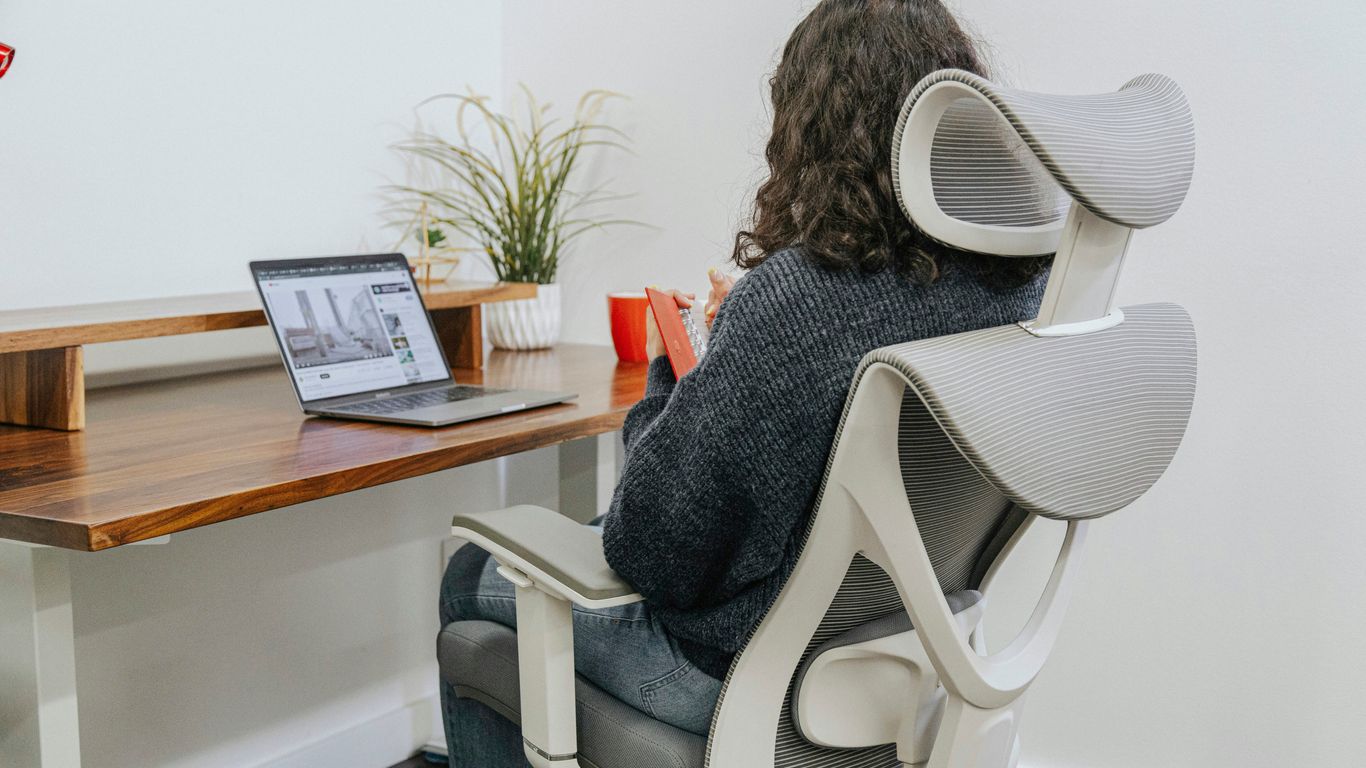
Look, we all know that sitting for hours on end isn’t exactly great for us. But when you spend a big chunk of your day at a desk, the chair you’re using becomes way more than just a place to park your backside. It’s a tool that can either actively work against your body or support it. Choosing the right chair is a direct investment in your physical well-being and, believe it or not, how much you actually get done.
Think about it: when you’re constantly shifting to find a comfortable spot, or your back is aching, your focus is shot. You’re not thinking about that big project; you’re thinking about how much your lower back hurts. A good chair, one that actually fits you and supports your posture, means fewer distractions and more mental energy for the tasks at hand. It’s like giving your brain a break from managing your discomfort so it can focus on work.
Here’s a quick rundown of why this matters:
- Reduced Physical Strain: Proper support means less pressure on your spine, neck, and shoulders. This can prevent aches, pains, and even long-term issues.
- Improved Focus: When you’re not fidgeting or feeling uncomfortable, you can concentrate better on your work.
- Boosted Energy Levels: Good posture and reduced discomfort can actually make you feel less tired throughout the day.
- Long-Term Health Benefits: Investing in an ergonomic chair now can save you a lot of trouble (and doctor’s bills) down the line. It’s about setting yourself up for sustained comfort and health.
The chair you sit in all day is a constant factor in your physical state. It’s not just about looking professional; it’s about how your body feels and functions. A chair that supports good posture can make a noticeable difference in your daily comfort and your ability to stay productive without feeling drained.
So, while it might seem like just another piece of furniture, your office chair is a pretty big deal. It’s worth taking the time to find one that truly works for you, whether that means looking into ergonomic options or just making sure your current setup is as good as it can be. Your body will thank you, and your to-do list might just get a little shorter.
Taking care of yourself and being productive go hand-in-hand. When you invest in your well-being, you unlock your full potential. Think of it like giving your brain and body the best tools to succeed. Ready to feel your best and get more done? Visit our website to discover simple ways to boost your health and productivity today!
Conclusion
Your office chair is more than just a place to sit; it’s a key part of your daily well-being and productivity. Investing time and resources into finding the right one can make a huge difference in how you feel throughout the workday and in the long run. Don’t underestimate the power of a good seat. Treat your body right, and it will thank you with better focus, less pain, and more energy. So, go ahead, find that perfect office chair and make it your trusted companion for all your work adventures.
Frequently Asked Questions
Why is an office chair so important?
An office chair is super important because you spend a lot of time sitting in it. A good one helps your body sit up straight, which stops your back and neck from hurting. It’s like giving your body a comfy, supportive hug while you work.
What does ‘ergonomic’ mean for a chair?
Ergonomic basically means the chair is designed to fit your body well and help you sit in a healthy way. It usually has parts you can move, like the back support and armrests, so you can set it up just right for you.
How do I know if a chair has good lumbar support?
Good lumbar support means the chair has a curve or a cushion in the lower back area that matches the natural curve of your spine. Some chairs let you move this support up and down or in and out to find the perfect spot.
Should I worry about the chair’s material?
Yes, the material matters a lot! Things like mesh let air flow through, keeping you cool. Good padding, like firm foam, stops the seat from getting flat and uncomfortable too quickly. You want something that feels good and lasts.
What if I have a small workspace?
No problem! You can find chairs that aren’t too big. Look for ones with a smaller base and ones that can easily slide under your desk. Smooth wheels also help you move it around without scratching your floor.
How high should my chair be?
Your feet should be able to rest flat on the floor, and your knees should bend at about a 90-degree angle. If your feet don’t reach, you might need a footrest, or the chair might not be the right height for you.
Are armrests really necessary?
Armrests can be really helpful! They give your arms and shoulders a place to rest, which can stop you from hunching over. The best ones can be moved up and down, so you can adjust them to a comfortable height.
Is it worth spending more on an office chair?
Generally, yes. A more expensive office chair is often built with better materials and design, meaning it will be more comfortable and last longer. Think of it as an investment in your health and how much work you can get done.